When working with clay soil, selecting the right excavator bucket is crucial. These specific soil types present unique challenges due to their density and moisture content. A poorly chosen bucket can lead to operational inefficiencies and increased costs. Therefore, understanding how to choose the right excavator bucket for clay soil is vital for maximizing productivity.
Excavator buckets vary significantly in design and function. Features like shape, size, and material affect their performance in clay environments. For instance, a bucket with a wider opening is effective for scooping dense clay. However, smaller, tighter buckets can provide better precision for detailed work. Not considering these factors can result in mistakes that delay projects and inflate expenses.
While one might feel tempted to select a bucket based solely on brand, this may not align with the specific requirements of clay soil. Thoughtful consideration of terrain and job specifics is mandatory. Learning from past experiences can guide your decision-making process. Recognizing the trade-offs involved enables you to optimize your excavating efforts and achieve better outcomes.
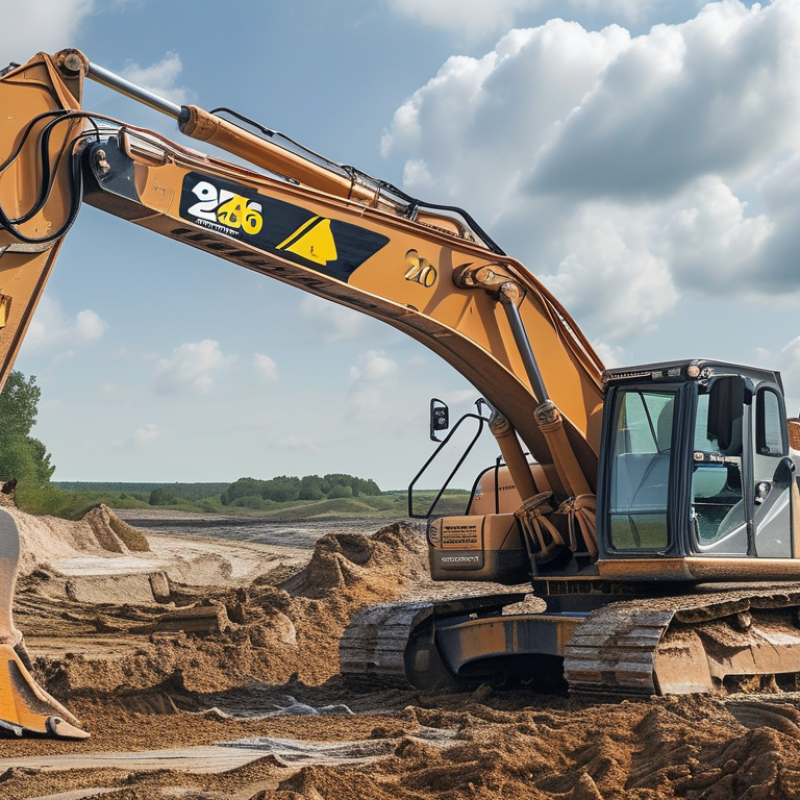
Clay soil presents unique challenges for excavation. Its high plasticity and cohesion can lead to difficulties when selecting the right equipment. According to the U.S. Department of Agriculture, clay soil consists of fine particles that compact easily. This compaction can hinder the performance of standard excavation buckets.
The texture of clay changes dramatically with moisture levels. Dry clay can become hard and nearly impossible to penetrate. In contrast, wet clay can become sticky, complicating the excavation process. Industry reports indicate that up to 25% of excavation issues are attributed to improper bucket choice for clay soil. Excavators need specialized buckets with features like reinforced edges and effective soil release mechanisms to navigate these conditions.
Effective excavation requires understanding these soil characteristics. Many operators overlook the impact of moisture on clay. Adjusting moisture content may improve excavation efficiency. Employing the right bucket design can simplify digging and reduce machinery strain. Ultimately, the goal is to minimize downtime and maximize excavation effectiveness in challenging clay environments.
| Bucket Type | Material | Weight (lbs) | Capacity (cubic yards) | Recommended for Clay Soil? |
|---|---|---|---|---|
| Standard Bucket | High-Grade Steel | 150 | 1.0 | Yes |
| Heavy-Duty Bucket | Abrasion-Resistant Steel | 200 | 1.5 | Yes |
| Clam Shell Bucket | Wear-Resistant Steel | 175 | 1.2 | Yes |
| Tilt Bucket | Heavy-Duty Steel | 180 | 1.4 | Yes |
| Ditch Cleaning Bucket | Reinforced Steel | 160 | 1.3 | Yes |
: A heavy-duty bucket with reinforced edges works well. It penetrates compacted ground efficiently.
The wrong bucket can lead to inefficiency and increased costs. It's essential for optimal performance.
Heavier buckets penetrate better but require more power. This can strain the excavator if not managed properly.
Look for a tight curl design and reinforced edges. These features help slice through dense clay effectively.
High moisture can make clay easier to dig, while dry clay may be denser. Understand your specific soil conditions.
Analyze your soil sample and consider the excavator's lifting capacity. This ensures the right bucket choice.
Specialized buckets, like the wide flat bucket, help distribute weight and decrease pressure on the soil.
Yes, field specialists provide valuable insights that can greatly assist in making the right choice.
Reports indicate that over 25% encounter difficulties due to improper selection of excavator buckets.
Reflecting on previous projects can help guide decisions. Trust your instincts based on prior outcomes.
When considering how to choose the right excavator bucket for clay soil, it is essential to first understand the unique characteristics of clay soil, such as its density and moisture retention. This knowledge helps in selecting buckets that can efficiently penetrate and manipulate this type of soil. There are various types of excavator buckets specifically designed for clay excavation, including ones with sharper teeth or specific shapes to enhance digging performance.
Key factors to consider include the size and capacity of the bucket, the material it is made from, and its compatibility with your excavator model. In 2026, several top brands and models are recognized for their effectiveness in clay soil excavation. Additionally, proper maintenance of the excavator buckets is crucial for longevity and optimal performance when working with clay soil. Regular cleaning, inspection, and appropriate storage can help maintain the integrity of the bucket, ensuring it remains effective in demanding excavation tasks.

 Plautz Excavator