Understanding how to calculate the lifting capacity of a wheel loader is crucial for efficient operations. Many operators overlook this important aspect, leading to potential mishaps. This article aims to provide reliable insights and detailed steps to improve your grasp of this vital subject.
Knowing the lifting capacity affects productivity and safety. A wheel loader's specifications can vary widely among models. Operators must be aware of factors such as load center, boom angle, and the weight of the load. Miscalculating these elements can result in equipment stress or accidents on-site.
Ultimately, mastering how to calculate the lifting capacity of a wheel loader empowers operators and enhances performance. With accurate knowledge, you can minimize errors and ensure smooth operations. This understanding is not just theoretical; it requires real-world application and experience. Keep in mind that even seasoned operators should regularly reassess their lifting calculations to adapt to changing loads and conditions.
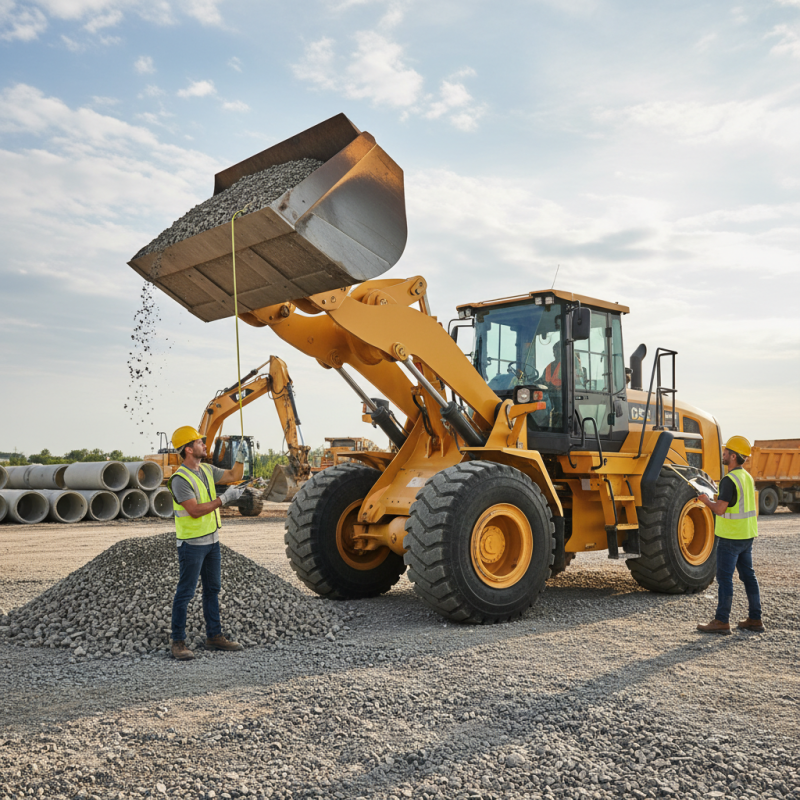
Wheel loaders are essential for various construction and agricultural tasks. Understanding their basic functions helps operators use them effectively. These machines are designed for lifting, loading, and transporting materials. The key components include the bucket, linkage system, and hydraulic mechanisms. Each part plays a critical role in maximizing performance.
The lifting capacity of a wheel loader depends on several factors. These include machine size, hydraulic power, and the bucket's design. It's important to consider the loader's center of gravity. An imbalanced load can limit capacity and affect stability. Operators must also evaluate ground conditions. For instance, uneven terrain can impact lifting efficiency and safety.
In practice, accurate capacity calculations are often neglected. Some operators rely on estimates rather than precise measurements. This oversight can lead to overloading and equipment failure. Taking time to understand load limits ensures better performance and safety. A little focused attention on proper techniques can make a significant difference.
When calculating the lifting capacity of a wheel loader, several key factors come into play. The loader's hydraulic system is critical. This system determines how much weight the machine can safely lift. A loader with a robust hydraulic system can handle larger loads. This is essential for operations that involve heavy materials.
Another important factor is the bucket design. A wider bucket can distribute weight more evenly, enhancing lifting capacity. The material of the bucket also matters. Heavy-duty buckets can withstand greater loads without deforming. Operators need to assess the bucket's compatibility with their typical loads.
The machine's stability plays a crucial role. Factors like wheelbase length and overall weight distribution affect stability during lifting. If a loader is unbalanced, it risks tipping over. Regular inspection of tires and hydraulic components is vital. Attention to detail in maintenance can prevent accidents. Inadequate maintenance often leads to failures and unsafe scenarios. Always consider these factors for effective lifting capacity calculations.
| Factor | Description | Impact on Lifting Capacity (%) |
|---|---|---|
| Loader Weight | The overall weight of the loader affects its stability while lifting. | 20% |
| Bucket Size | The volume of the bucket determines how much material can be lifted at once. | 25% |
| Hydraulic System | The efficiency of the hydraulic system influences the lifting power. | 30% |
| Tipping Load | The maximum weight the loader can lift without tipping over. | 15% |
| Center of Gravity | Positioning of the load affects stability and lifting performance. | 10% |
To calculate wheel loader lifting capacity effectively, you need to follow several essential steps. Understanding the manufacturer's specifications is crucial. This data provides details like the maximum load, height, and reach. Utilize this information as your starting point.
Next, consider the working environment. Is the surface stable? Will the loader operate on slopes or rough terrain? These factors significantly impact the machine’s performance. Take the time to assess how these conditions may affect lifting capabilities. Sometimes, unexpected issues arise. A slight incline can change the load distribution and lead to unsafe operations.
Tips: Measure the load's weight accurately. Using a scale will ensure you're not overloading the loader. Regularly inspect the hydraulic system. A malfunction here can lead to sudden failures. Additionally, pay attention to the loader's center of gravity. An off-balance load can compromise safety.
Finally, keep in mind that calculations can vary based on usage. Different attachments and modifications may influence capacity. It’s essential to remain flexible with your estimates and regularly validate your measurements. It's easy to overlook details, but being thorough is key to safe and efficient operations.
Calculating load distribution and stability is crucial for effective wheel loader operation. Proper assessment ensures safety and efficiency on the job site. Load distribution affects how much weight can be safely lifted. Factors like the loader's center of gravity and the type of load must be considered.
To maintain stability, it's vital to understand the loader's balance. An unbalanced load can cause tipping. Ensure the load is evenly distributed across the bucket. Uneven weight can lead to accidents. Operators should regularly check the load before lifting. A slight miscalculation can result in dangerous situations.
After loading, test the lifting capacity in a controlled manner. This helps identify if adjustments are needed. Monitoring tire pressure also plays a role. Uneven tire pressure affects stability. Always keep your equipment in top condition. Over time, operators may notice patterns in load handling. Reflecting on past experiences can improve future operations.
Understanding manufacturer specifications is vital when assessing a wheel loader's lifting capacity. Start by examining the load chart provided by the manufacturer. This chart outlines the maximum weight the loader can lift at various boom heights and reaches. Each loader model has unique specifications; it's essential to interpret these correctly. The dynamic aspects of lifting are often complex. Not every loader can handle its maximum capacity at all heights.
Look for critical details like the lifting angle and the breakout force. Both factors significantly influence performance. The lifting capacity diminishes as the height or reach increases. Sometimes, manufacturers offer two ratings: one for stable conditions and another for more challenging environments. This dual rating can be confusing. It prompts users to think critically about real-world applications.
In practice, operators must constantly reflect on the working conditions. Assessing ground stability and load distribution is crucial. Even with a high-rated capacity, improper practices can lead to tipping or damage. Always consider the environment and potential variables. A loader's specifications provide guidance, but true safety comes from informed, careful operation.
: Start by reviewing the manufacturer's specifications. They provide maximum load, height, and reach details.
Evaluate surface stability, slopes, and rough terrain. These factors can significantly affect performance.
Accurately measuring the load prevents overloading. Use a scale to confirm the weight each time.
Regular inspections are necessary. A malfunction can cause sudden failures that compromise safety.
An unbalanced load can lead to tipping. Always ensure the load is distributed evenly.
Load charts provide maximum weights at various heights. Understanding these varies per loader model.
Both influence performance. Capacity decreases as height or reach increases.
Yes, some loaders have ratings for stable and challenging conditions. This can lead to confusion.
They require constant reflection. Even high-rated capacities can result in tipping if not considered carefully.
Always validate measurements and practice flexibility. Oversights can lead to unsafe scenarios.
Calculating the lifting capacity of a wheel loader is essential for ensuring efficient and safe operations. To effectively determine how to calculate the lifting capacity of a wheel loader, one must first understand the basics and functions of these machines, including their design and operational mechanisms. Key factors such as the machine's weight, hydraulic system, and bucket specifications significantly influence lifting capabilities.
The next steps involve measuring the wheel loader's lift capacity by evaluating load distribution and stability, which are crucial for safe handling. Additionally, it is vital to interpret manufacturer specifications accurately, as they provide essential performance data. By following these guidelines, operators can ensure they are making informed decisions regarding the wheel loader's lifting capacity, ultimately leading to enhanced productivity and safety on the job site.

Plautz Excavator