When considering heavy machinery, one might ask, "What is the difference between a skid steer and a track loader?" Both machines serve similar purposes but are distinct in various ways. Skid steers are known for their compact size and versatility. They excel in tight spaces, making them ideal for landscaping and smaller construction sites. Operators appreciate their maneuverability and ease of attachment changes.
On the other hand, track loaders offer greater stability and traction. Their design allows them to work effectively on uneven terrain and soft ground. This feature is particularly beneficial for larger construction projects or in agricultural settings where surface condition is a concern. Understanding these differences is crucial for making informed decisions about which machine suits specific needs.
It's essential to weigh the pros and cons of each option. While skid steers are nimble, they may struggle under heavy loads. Track loaders, while robust, can be less agile in confined spaces. Ultimately, knowing "What is the difference between a skid steer and a track loader?" can lead to better equipment choices and enhanced productivity on job sites.
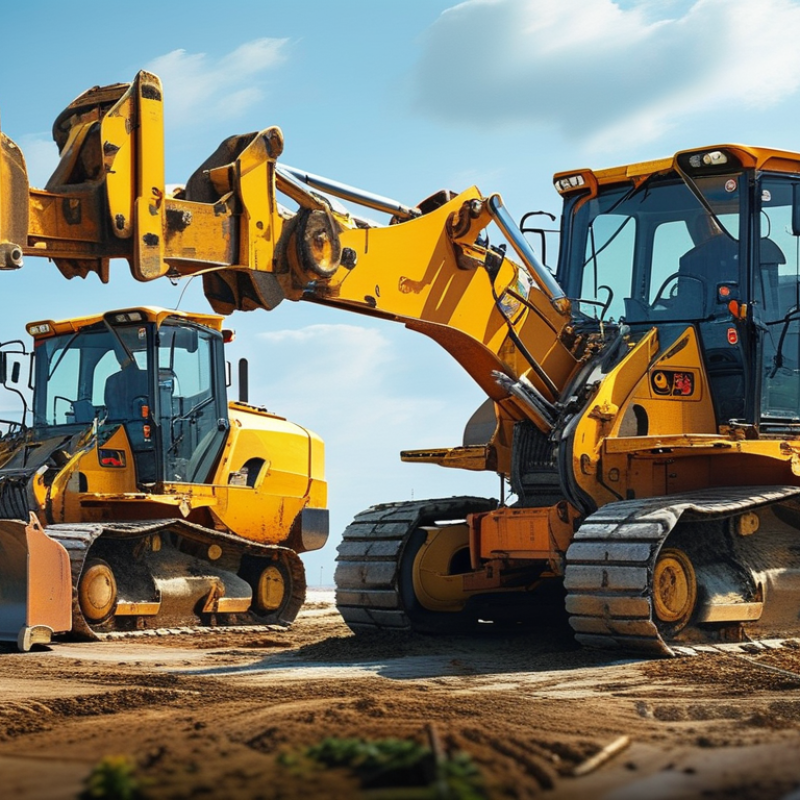
Definition and Overview of Skid Steers
Skid steers are compact, versatile machines widely used in construction and landscaping. They are characterized by their unique four-wheel drivetrain. Each side operates independently, allowing for tight turns and maneuverability in constrained spaces. This design makes skid steers particularly effective for tasks like digging, grading, and lifting heavy materials.
These machines often come with a variety of attachments. Buckets, forks, and augers can be swapped based on the job’s needs. A skid steer's agility helps it navigate through narrow passages, making it ideal for urban environments where space is limited. They usually have a lower weight, which contributes to less ground disturbance.
While skid steers are excellent for many applications, their performance can falter on uneven terrain. Operators may find it challenging to maintain balance on slopes. This limitation can prompt consideration of track loaders, which offer better stability but vary in their own ways. Reflecting on these traits is crucial for choosing the right machine for specific tasks. Understanding the advantages and drawbacks of skid steers can significantly impact productivity on the job site.
Definition and Overview of Track Loaders
Track loaders are versatile machines often used in construction and landscaping. They have a unique track system that offers stability on uneven terrain. This makes them ideal for soft ground or mud conditions where wheeled vehicles struggle. The tracks distribute the machine’s weight more evenly, reducing the risk of sinking. This added stability allows operators to perform tasks more confidently.
One key feature of track loaders is their powerful lifting abilities. They are designed to lift heavier loads compared to their wheeled counterparts. The hydraulic systems in track loaders can handle tough materials. Operators can utilize attachments such as buckets or forks for various tasks. However, the learning curve can be steep for those new to operating such machinery. Familiarizing oneself with the controls and capabilities is essential for optimal performance.
Maintenance is another crucial aspect to consider. Track systems can experience wear and tear, especially in rugged environments. Regular inspections and timely servicing are necessary to keep them in peak condition. Visibility can also be somewhat limited depending on the loader's design. Operators must remain vigilant and aware of their surroundings to ensure safety.
Key Technical Differences Between Skid Steers and Track Loaders
Skid steers and track loaders serve distinct purposes in the construction and landscaping industries. Skid steers are compact, versatile machines with a robust frame. They typically have smooth tires that allow for agile movement in tight spaces. Track loaders, on the other hand, feature a wider base and rubber tracks, boosting their stability and traction on uneven ground. According to the Equipment Industry report, skid steers generally have a higher power-to-weight ratio compared to track loaders, making them effective for lifting heavy loads quickly.
When considering operational efficiency, track loaders excel in challenging terrain. Their tracks distribute weight more evenly, reducing ground pressure and preventing damage to delicate surfaces. A study by the Construction Equipment Association highlights that track loaders can increase productivity by 30% in muddy or soft ground conditions. However, they have a slower top speed compared to skid steers. This trade-off can affect overall project timelines.
Both machines have unique maintenance needs due to their design differences. Skid steers often require more frequent tire replacements. Track loaders need careful monitoring of track wear. Each vehicle presents its own challenges and benefits, requiring careful consideration of the project environment and terrain before making a choice.
Common Applications of Skid Steers vs. Track Loaders
Skid steers and track loaders each have unique strengths. Skid steers excel in tight spaces. They are compact and agile, ideal for residential projects. Landscaping jobs often utilize skid steers for their maneuverability. These machines can easily navigate uneven terrain. Their versatility allows for multiple attachments, making them invaluable for small tasks.
Track loaders, on the other hand, have a broader base. Their tracks provide better stability and traction on soft or uneven ground. This makes them well-suited for larger construction sites. With a higher lift capacity, track loaders can handle heavy materials like dirt and gravel. They shine in excavation and large-scale landscaping projects, but their size can be a drawback in confined areas.
Both machines have their place in construction and landscaping. Choosing between them depends on the specific job requirements. In some situations, it might be tempting to opt for a skid steer for its compactness. Yet, one could find later that a track loader would have been more efficient for the heavy loads. Each offers unique capabilities, requiring careful consideration before making a decision.
Comparison of Skid Steers and Track Loaders
Advantages and Disadvantages of Each Equipment Type
When comparing skid steers and track loaders, understanding their advantages and disadvantages is crucial for various applications. Skid steers are compact and highly maneuverable. They work well in tight spaces and are versatile for tasks like landscaping and excavation. However, they can struggle on softer ground. Their wheels can sink into mud or loose soil, leading to mobility issues.
Track loaders, on the other hand, excel in stability. Their tracks distribute weight more evenly. This makes them ideal for rough terrain and wet conditions. They tend to have better traction and lower ground pressure. But, they can be less agile than skid steers, limiting their speed in open areas.
Consider the job site before choosing. If you're working on solid ground, a skid steer may be more effective. For soft or uneven surfaces, a track loader could be the better option. Keep in mind that operating costs also vary. Track loaders may require more maintenance due to their complex undercarriage.
Tips: Always assess your terrain before equipment selection. Observe how each machine performs in your specific environment. Document your experiences to refine future choices. Learning from each project can lead to smarter decisions next time.
What is the difference between a skid steer and track loader? - Advantages and Disadvantages of Each Equipment Type
| Feature |
Skid Steer |
Track Loader |
| Mobility |
High maneuverability on flat surfaces |
Better traction on uneven terrains |
| Weight Distribution |
Narrow wheelbase, lighter |
Wider track, heavier weight |
| Operating Cost |
Generally lower maintenance costs |
Higher maintenance due to tracks |
| Versatility |
Great for multiple attachments |
Specialized for heavy-duty tasks |
| Stability |
Less stable on soft ground |
More stable on soft and uneven ground |
| Best Use Cases |
Landscaping, construction in tight spaces |
Site preparation, heavy materials handling |
Conclusion
When considering the question "What is the difference between a skid steer and a track loader?", it's essential to understand their definitions and key features. A skid steer is a compact, maneuverable machine known for its versatility in tight spaces, utilizing wheels that can pivot independently for steering. In contrast, a track loader operates on tracks, providing better traction and stability on uneven terrain, making it ideal for heavier loads and rough conditions.
Both machines serve distinct purposes in various applications, such as construction, landscaping, and agriculture. Skid steers excel in agility and can be fitted with numerous attachments, while track loaders are preferred for their superior weight distribution and balance. However, skid steers may struggle in muddy conditions compared to the enhanced stability of track loaders. Understanding these differences helps users choose the right equipment for their specific needs.

 Plautz Excavator