When planning a residential pool project, one of the most common questions arises: "What size excavator do I need for a residential pool?" According to industry expert Mike Smith, who has over 15 years of experience in construction, "Choosing the right excavator can make or break your pool installation."
The size of the excavator you need depends on various factors, such as the pool’s size, depth, and your yard's accessibility. Smaller pools may only require a compact excavator, while larger, custom designs may need a more powerful machine. It is essential to assess not only the pool's dimensions but also any obstructions like trees or fences that might affect equipment access.
Ultimately, consulting with a professional can help clarify your needs. Mistakes in excavator selection can lead to delays and unexpected costs. Therefore, reflecting on your project requirements and seeking expert advice is crucial. Understanding the right equipment sets the foundation for a successful and efficient pool installation.
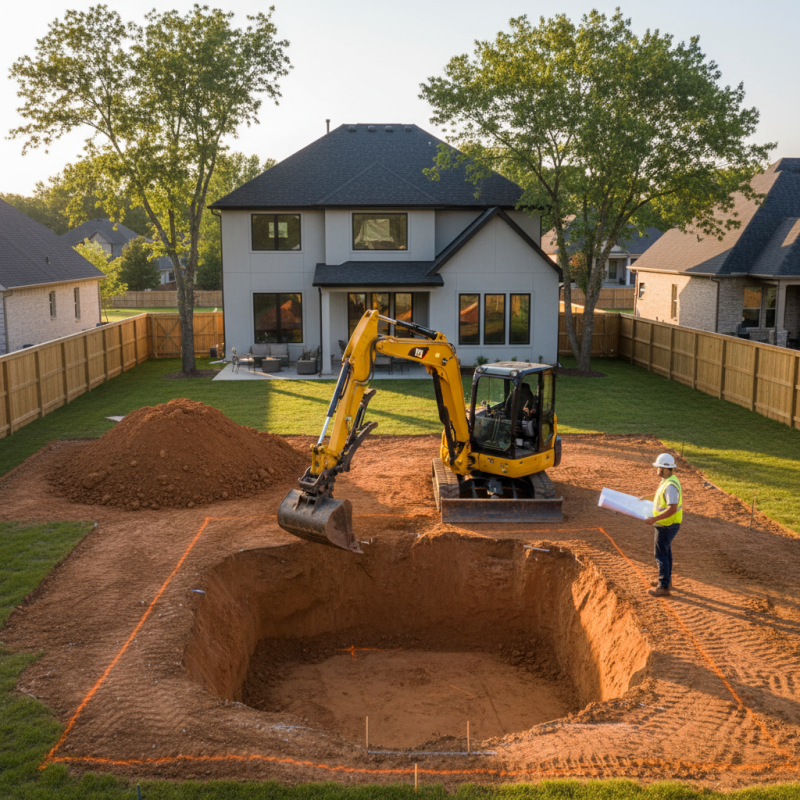
When planning a pool excavation, selecting the right excavator size is crucial. Residential pools typically require precise digging, making the choice of equipment essential. According to industry reports, the average pool excavation may range from 400 to 800 square feet, with depths of 4 to 6 feet. For these dimensions, a mini excavator, often between 1 to 3 tons, is suitable. These machines offer excellent maneuverability and can fit into tight backyards with minimal disruption.
Tips: Always assess your yard’s restrictions. Limited access areas may require smaller equipment. A mini excavator is not only efficient but also limits damage to existing landscaping.
Consider soil type when selecting the excavator. Clay soils might need a more powerful machine. A trained operator is necessary to navigate challenges like rock or hardpan. Industry standards suggest a minimum of 24 inches of digging clearance to prevent operational hiccups. This space helps mitigate unforeseen problems.
Tips: Factor in drainage solutions. It’s easy to overlook how water can affect excavation. Proper planning can help in managing excavated soil to minimize site disruption. Remember, flexibility in machinery choice can lead to smoother operations.
When selecting an excavator for your residential pool project, size is key. You want an excavator that can easily maneuver around your property and fit the project’s scope. For example, a mini-excavator, often weighing between 1 to 8 tons, is ideal for most small to medium residential pools. According to a report by the National Association of Home Builders, over 60% of homeowners prefer using mini-excavators for their backyard projects due to their efficiency and reduced landscape disruption.
Consider the depth and size of your pool. A standard pool excavation typically requires a depth of 6 to 8 feet. Ensure your chosen excavator can reach this depth effectively. Also, think about access points. If your yard has tight spaces, a compact excavator will be more suitable. In many cases, a specific model with a smaller width may prevent damage to existing landscaping, reflecting a study in the Journal of Construction Engineering highlighting the importance of equipment choice in reducing property damage.
Tip: Always check the machine’s specifications. Look for a model with a good range of attachments. This flexibility can save time and cost on tasks like grading or backfilling. Also, don’t overlook operator experience. An experienced operator can often make better use of the machine's capabilities, reducing overall project time. Consider consulting with local contractors for insights on what has worked best in your area.
When planning a residential pool project, choosing the right excavator is crucial. Several types of excavators are suitable for such tasks. Mini excavators are popular for their compact size. They can easily maneuver in tight spaces, making them ideal for backyards. These machines can dig deep holes with precision, minimizing disruption to the existing landscape.
Another option is a midi excavator. This type offers more power than mini excavators while still being efficient in small areas. They can lift heavier loads and perform various tasks. For larger residential projects, full-sized excavators may be necessary. However, these can be cumbersome. They require ample space and may cause significant yard damage.
Selecting the right excavator comes down to the project scope. Often, homeowners underestimate the equipment size needed. Renting the wrong excavator can lead to delays and increased costs. It's important to evaluate your yard’s layout and consult professionals with experience. Their insights can save you time and money in the long run.
This bar chart illustrates the suitability of different excavator sizes for residential pool projects. Mini excavators are most commonly used, followed by small excavators, while medium and large excavators are less frequently required.
When planning a residential pool project, understanding excavator specifications is crucial. The right size can streamline the excavation process.
Typically, excavators for residential pools range from 1.5 to 5 tons. A 3-ton excavator, for instance, can handle most residential tasks efficiently.
According to the American Rental Association, smaller excavators offer better maneuverability, especially in tight spaces.
Another factor to consider is the digging depth. Most residential pools require excavations up to 6 feet deep.
Choosing an excavator with sufficient reach is essential. Data from equipment rental reports suggest that excavators with a digging depth of at least 10 feet are ideal for this purpose.
However, even with the right specs, operators need to watch for underground utilities.
Inadequate planning can lead to unexpected challenges. An operator might underestimate the soil type or excavation area.
Clay or rocky soil demands a more powerful machine, whereas sandy soil allows for lighter equipment.
It's also vital to have insurance coverage for potential equipment damage.
Understanding these specifications will ensure a smoother, more efficient pool installation process.
Operating an excavator safely during your pool construction project is crucial. Start by familiarizing yourself with the equipment. Understand controls, functions, and limitations. Improper use can lead to accidents, so take the time to learn. Keep your workspace clear of obstacles. This reduces the chances of hitting something unintended.
Always wear appropriate safety gear. Hard hats, gloves, and steel-toed boots are essential. Ensure bystanders are at a safe distance while the excavator operates. Pay attention to your surroundings, especially with utilities buried underground. Misjudgments can lead to costly repairs.
Regular maintenance of the excavator is also important. Check fluid levels and brakes daily before any operation. Malfunctions can put you and others at risk. Mixing safety with operational efficiency takes practice. Mistakes may happen, but learning from them enhances your skills over time.
: A mini excavator, typically between 1 to 3 tons, is ideal for residential pools.
Standard pool excavations require a depth of 4 to 6 feet.
It helps avoid damage to landscaping and allows work in tight backyards.
Consider the size and depth of the pool as well as access points.
A compact excavator or mini excavator will work better in confined spaces.
Clay soils might need a more powerful excavator for effective digging.
An experienced operator maximizes machine efficiency and reduces project time.
Yes, planning for drainage can prevent issues during excavation.
Yes, it can lead to delays and increased costs.
Assess your yard’s layout and consult with professionals for tailored insights.
When planning a residential pool project, one of the key questions homeowners often ask is, "What size excavator do I need for a residential pool?" Choosing the right size excavator is crucial for efficient excavation and ensuring that the project stays on track. Factors such as the depth of the pool, the terrain type, and accessibility will influence your decision.
There are various types of excavators suited for residential projects, ranging from compact models for smaller yards to larger machines for more extensive excavations. Understanding excavator specifications, including bucket size and lifting capacity, can help you choose the ideal machine for your job. Finally, safety tips for operating the excavator during pool construction are essential to avoid accidents and ensure a smooth excavation process. By considering these aspects, you can select the appropriate excavator and proceed with your pool installation confidently.
Plautz Excavator