Hydraulic cylinder drifting can be a frustrating issue for operators. Effective troubleshooting is essential for ensuring machinery operates smoothly. According to hydraulic expert John Smith, "Understanding the root causes of drifting is crucial for effective repairs."
When facing this challenge, it's important to ask, "How to troubleshoot hydraulic cylinder drifting?" This question drives many technicians to explore various factors like internal leaks, improper adjustments, and worn seals. Each of these variables can impact performance significantly.
Addressing drifting requires both knowledge and experience. Technicians often review fluid levels, inspect for wear, and assess the entire hydraulic system. Sometimes, the solution is not straightforward. It may take trial and error to determine the exact cause. Operators must stay vigilant and proactive. Ultimately, maintaining awareness of potential issues can prevent more serious malfunctions.
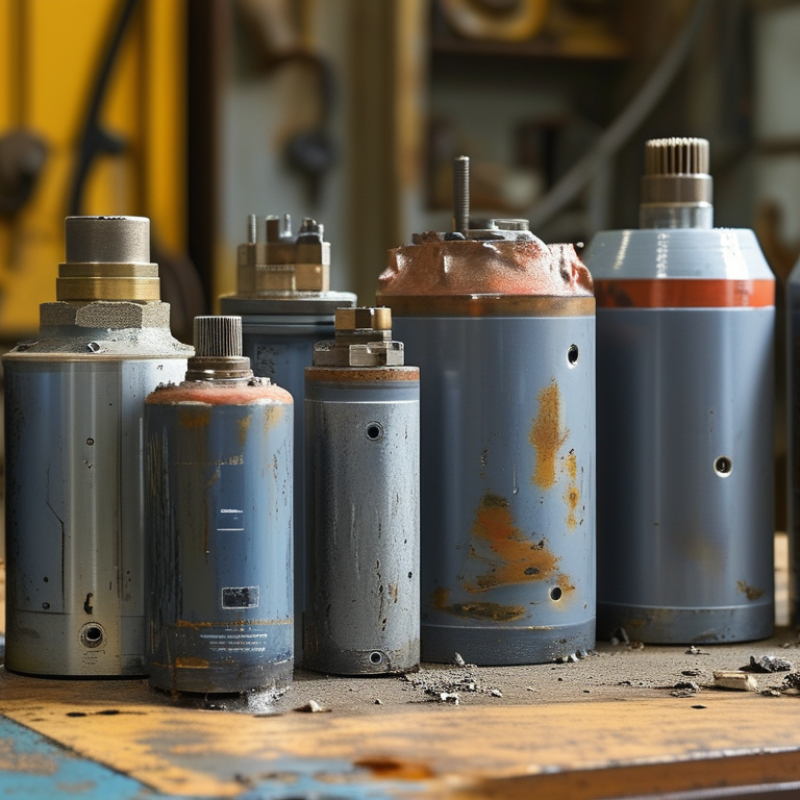
Hydraulic cylinder drifting issues can stem from several causes. One common reason is internal leakage. Damaged seals or worn-out components lead to fluid bypassing. This results in the cylinder moving unexpectedly. Inspecting seals regularly can help detect wear early.
Another factor is inadequate hydraulic fluid levels. Low fluid can cause air to enter the system. This air can lead to erratic cylinder movements. Maintaining the proper fluid levels ensures consistent performance. If levels drop, check for leaks in hoses or connections.
Environmental factors also play a role. Extreme temperatures can affect fluid viscosity. If the fluid becomes too thick or thin, it may not perform optimally. Use a fluid suitable for the working environment. Regular maintenance checks can catch these issues before they escalate.
Hydraulic cylinder drift can jeopardize your equipment's performance. Identifying the symptoms is crucial for timely intervention. One common sign is unexpected movement when the system is not in use. This drift often occurs when hydraulic pressure is lost, leading to decreased control over the machinery.
Another indicator of drifting is a noticeable change in responsiveness. Operators may feel a lag or hesitation when adjusting the controls. This issue can stem from internal leaks or damaged seals within the cylinder. Additionally, fluid leaks around the cylinder should not be ignored. These leaks worsen the drifts and can create safety hazards.
Being aware of these symptoms is critical for responsible equipment maintenance. Regular inspections can help identify issues early. Addressing hydraulic drift requires attention to detail. Ignoring small issues could lead to larger, costlier problems down the line. Recognizing the signs is the first step in fixing the drift efficiently.
Hydraulic cylinder drifting can be frustrating. Diagnosing the issue correctly is crucial for effective repairs. First, check for external leaks. A visual inspection can reveal oil pooling around the cylinder. This might indicate a faulty seal, which can lead to drifting during operation.
Next, examine the hydraulic fluid level. Low fluid can contribute to drifting. If the fluid is low, look for leaks in the system. It’s often not immediately obvious where the leak is. Use a clean rag to wipe down connection points and look for fresh fluid.
Additionally, inspect the control valve for any malfunctions. A stuck valve could allow fluid to pass through when it shouldn’t. If the valve seems dirty or rusty, cleaning it might fix the problem. Sometimes, the solution is simple, yet often overlooked. Solving drifting issues requires careful attention to these details. Testing the system after each adjustment is essential. It’s a process that requires patience and persistent observations.
Hydraulic cylinder drifting can be a frustrating issue. Understanding common fixes can help mitigate this problem quickly. A major cause of drifting is internal leakage. This happens when seals wear out over time. Inspect the seals regularly. Replacing them can restore functionality and improve performance.
Another common issue is air trapped in the system. Air can lead to erratic movements. To fix this, bleed the hydraulic system to remove trapped air. This process is essential for maintaining the efficiency of the hydraulic system. Make sure to follow proper procedures, as incorrect bleeding can cause further complications.
Finally, monitor the hydraulic fluid levels closely. Low fluid can create pressure issues, leading to drifting. If the fluid is dirty, consider a change. Dirty fluid can cause wear and tear on components. Taking action on these issues can prevent larger problems and ensure smoother operation of hydraulic cylinders. Regular maintenance and proactive checks can save time and resources.
Hydraulic cylinder drifting is a common issue in various industrial applications. Preventive measures can significantly reduce its occurrence. Regular maintenance is crucial. According to a report by the National Fluid Power Association, improper maintenance accounts for over 30% of hydraulic failures. Simple actions, like checking for leaks and ensuring seals are intact, can prolong your equipment's life.
Training operators is equally important. Many drifting issues stem from improper use. Educating staff about optimal operating conditions minimizes risks. Statistics show that properly trained operators can reduce equipment failures by up to 25%. Establishing a consistent training program can save time and resources down the line.
Consider the environment too. Excessive temperatures can affect hydraulic fluid viscosity. A study reveals that fluid breakdown can occur if temperatures exceed manufacturer's specifications. Installing temperature gauges and alarm systems can provide real-time monitoring. It’s vital to assess your processes continually. Reflecting on past failures helps in fine-tuning preventive strategies.
| Issue | Cause | Preventive Measures | Quick Fix |
|---|---|---|---|
| Drifting Downward | Leaking seals or worn-out packing | Regular maintenance checks and replacing seals | Tighten existing fittings and check fluid levels |
| Sticking Cylinder | Dirt and debris accumulation | Keep the area clean and free from contaminants | Clean the cylinder rod and apply lubricant |
| Over-Pressure Drift | Faulty relief valves | Regular testing of pressure relief valves | Adjust pressure settings immediately |
| Unintended Movement | Improper control valve settings | Inspect and adjust control valves regularly | Recalibrate the control system |
| Erratic Movement | Air in the hydraulic system | Bleed the hydraulic system periodically | Purge air from the system |
: Common causes include internal leakage, damaged seals, and inadequate hydraulic fluid levels.
Low fluid levels can admit air into the system, leading to erratic movements.
Signs include unexpected movements and a lag in responsiveness during control adjustments.
Regular checks can identify issues early and prevent costly breakdowns from drifting.
Yes, extreme temperatures can change fluid viscosity, impacting system efficiency.
Educated operators can optimize conditions and significantly lower risks associated with improper use.
Regular inspections, checking seals, and monitoring fluid levels are key preventive actions.
Analyzing past issues helps improve strategies and reduces the chances of future drifting problems.
Installing temperature gauges and alarm systems allows for real-time monitoring of critical factors.
Neglecting minor problems could lead to larger, more expensive repairs and safety hazards.
Hydraulic cylinder drifting can be a frustrating issue, compromising the efficiency of hydraulic systems. To troubleshoot hydraulic cylinder drifting, it is essential first to understand the underlying causes, which can include leakage, wear, or misalignment. Identifying symptoms such as unexpected movement or pressure drops is crucial in diagnosing the problem accurately.
Once symptoms are recognized, a step-by-step guide can streamline the diagnosis process. Quick fixes for common issues, such as tightening connections or replacing seals, can provide immediate relief. Additionally, implementing preventive measures, such as regular maintenance and inspections, can help avoid future drifting problems, ensuring your hydraulic system remains efficient and reliable.

Plautz Excavator