Buying a used backhoe can save money, but a low price may hide expensive problems. How to inspect a used backhoe before purchasing? Start with evidence, not promises. Park the machine on firm, level ground. Check its hours, service records, ownership history, and previous work environment. A backhoe used in demolition may show harder wear than one used for light landscaping.
Mike Vorster, a respected construction equipment economist, puts the decision plainly: “The machine must earn its keep.” That principle makes inspection practical. Look for fresh paint around joints, cracked welds, bent stabilizers, and oil collecting beneath the engine. Start the engine cold. Excessive smoke, rough idling, or long cranking deserves attention. Check hydraulic oil for a burnt smell or metallic particles. Move the boom, dipper, bucket, and stabilizers slowly. Watch for jerky movement, drift, unusual noise, or weak digging force.
Do not ignore the tires, brakes, transmission, cooling system, and safety controls. Small leaks can become major repair bills. A short test may miss a problem. Operate the backhoe until normal temperature, then inspect it again. I still believe visual checks alone are not enough. Bring a qualified mechanic when possible. An independent inspection costs money, but guessing can cost much more. Compare the machine’s condition with its price, expected workload, parts availability, and repair support. Walk away if the seller refuses a cold start or avoids basic questions. A used backhoe should not merely look ready. It should prove its reliability under realistic working conditions.
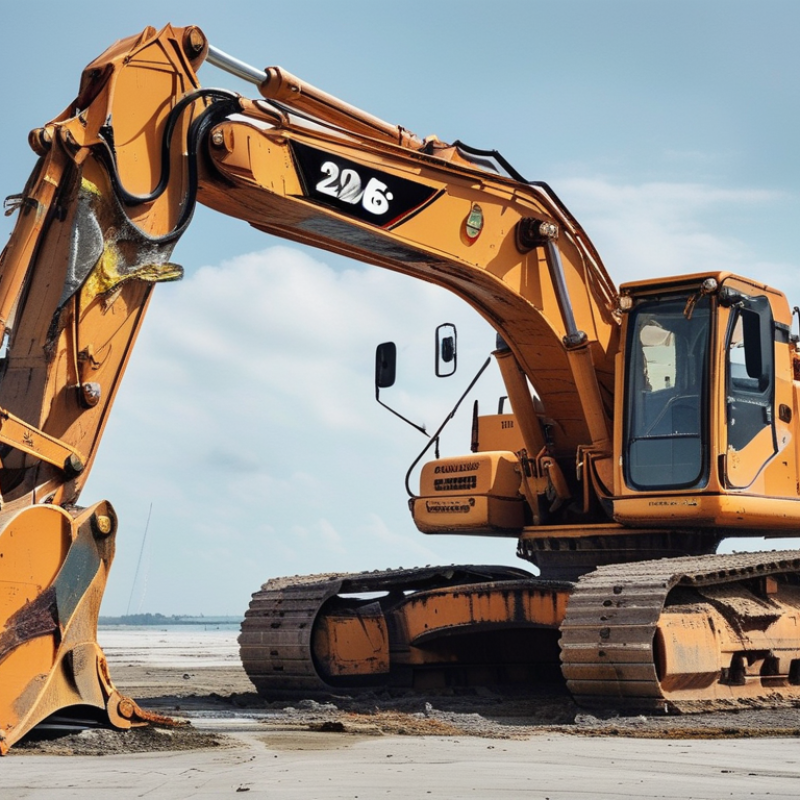
Before inspecting a used backhoe, define the work it must perform. Trenching for water lines needs different specifications than loading gravel or clearing roots. Write down the usual trench depth, soil type, working space, and daily workload. A narrow urban site may require a compact machine with a tight turning radius. Open farmland may favor greater reach, lifting capacity, and stability.
Compare those needs with the machine’s specifications. Check digging depth, bucket width, maximum reach, loader lift capacity, hydraulic flow, operating weight, and transport dimensions. The attachment pattern also matters. Some buckets may look suitable but connect poorly or reduce digging performance. I once focused too much on engine hours and overlooked insufficient breakout force. That mistake changed my view of “low hours” as a buying advantage. Specifications must fit the job, not simply look impressive.
Tips: Bring a tape measure and a notebook. Measure the backhoe arm, bucket, tires, and transport height. Ask the seller to demonstrate the machine with warm hydraulic oil. Watch for slow movement, drifting cylinders, unusual pump noise, or weak lifting. Test the stabilizers on firm ground. Request maintenance records, but verify them against visible wear around pins, bushings, pedals, and controls. Do not rely on a clean repaint. It can hide repairs. If the machine will work long shifts, calculate fuel use and operator comfort too. A small mismatch may become an expensive daily problem.
: Request the current title, purchase invoice, serial-number plate, and import records. Match each number physically. Photograph the plate beside the frame. A clean plate may still have been replaced. Do not rely on verbal explanations.
Review service dates, operating hours, fluid changes, filters, repairs, and technician details. Compare records with the hour meter and machine-data downloads. Missing records do not prove neglect, but they increase uncertainty. I would pause before accepting a confident explanation.
Not always. Compare the meter with pedal wear, seat damage, loose joysticks, and pin movement. A machine showing 4,000 hours should not have severely worn controls without explanation. Hours are clues, not proof.
Park the machine on firm, level ground. Use a flashlight and scraper around axle mounts, loader towers, and mounting plates. Look for cracks, fresh welds, bent rails, heavy rust, and uneven tire contact. Fresh paint may hide repairs. That mistake can become expensive.
Examine both sides of the loader arms for bends, stretched metal, and cracked welds. Check pins, bushings, cylinders, bucket linkage, stabilizers, and pivot housings. Use a pry bar to detect excessive movement. Never work under unsupported arms. Small movement can become costly under load.
Ask the seller to leave the engine cold. Watch the exhaust during startup. Blue smoke may suggest oil consumption. White smoke may indicate poor combustion. Listen for knocking, uneven idling, and unusual vibration. I may misread one symptom, so a technician should confirm it.
Raise the loader, curl the bucket, extend the dipper, and operate the stabilizers. Listen for whining, jerking, or slow movement. Hold an attachment briefly and watch for hydraulic drift. Inspect hoses for cracks, wet fittings, and swollen sections. A dry-looking hose can still fail later.
Test forward and reverse engagement at low speed. Shifting should feel controlled, without harshness or delay. Test the brakes on level ground, away from people and obstacles. Operate every control, gauge, light, alarm, and safety switch. Record each fault immediately. A short demonstration may hide heat-related failures.
How to inspect a used backhoe before purchasing? Start by defining the work the machine must perform and identifying the required digging depth, lifting capacity, operating weight, attachments, and engine power. Before inspecting the machine, verify the seller’s ownership, maintenance records, operating hours, previous repairs, and overall history. Consistent documentation can help reveal neglected service or unusually heavy use.
Next, examine the frame, loader, backhoe, boom, dipper, bucket, pins, bushings, tires, and other structural components for cracks, bending, excessive wear, or oil leaks. During a practical test, check whether the engine starts smoothly, runs steadily, and produces unusual smoke or noise. Test the hydraulics, transmission, brakes, steering, controls, and safety features under realistic conditions. Finally, compare the machine’s operating performance with its asking price, estimate immediate and future repair costs, and consider parts availability and downtime. A careful inspection helps determine whether the backhoe offers dependable service and genuine value rather than simply appearing inexpensive.

 Plautz Excavator