Top Tips for Maintaining Hydraulic Systems in Cold Weather?

Time:2026-05-03 Author:Charlotte
0%

As winter approaches, many businesses rely heavily on hydraulic systems. Cold weather can present unique challenges. It can lead to fluid thickening, decreased efficiency, and even potential system failures. Thus, understanding how to maintain hydraulic systems in cold weather is crucial for avoiding costly downtime.

Effective maintenance starts with selecting the right hydraulic fluids. These fluids should be suitable for low temperatures. Regular inspections are also essential. Components like hoses and seals can become brittle in the cold and may require replacement. Moreover, operators should monitor system performance closely. Any unusual behavior might indicate underlying issues.

Finally, staff training plays an important role. Personnel should be aware of how cold weather affects hydraulic systems. Encouraging proactive maintenance techniques can prevent more serious problems. Taking these steps can help ensure reliable operation even in frigid conditions.
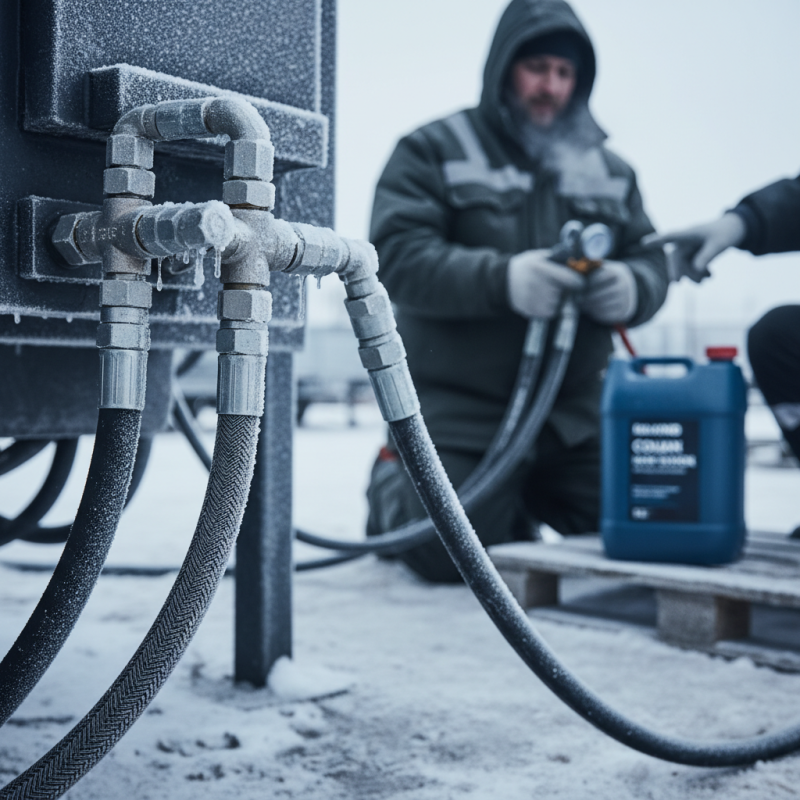
Top Tips for Maintaining Hydraulic Systems in Cold Weather?

Importance of Hydraulic System Maintenance in Cold Weather

Cold weather can severely impact hydraulic systems. It is crucial to maintain these systems properly during winter. Low temperatures can thicken hydraulic fluids, leading to sluggish performance. This affects machinery efficiency and can cause serious damage if not addressed.

Regular inspections are key. Check fluid levels and ensure they meet the necessary specifications. Look for any leaks in hoses and fittings. These small issues can escalate in cold conditions. It’s also important to use the right type of hydraulic fluid. Some fluids are designed to perform better in colder climates.

Operator training plays a vital role as well. Ensure that your team understands the signs of inadequate maintenance. Encourage them to report any irregularities immediately. A proactive approach can save time and money in the long run. Investing in maintenance now will help avoid costly repairs later.

Understanding the Impact of Cold Temperatures on Hydraulic Fluid

Cold weather can significantly impact hydraulic fluid performance. Hydraulic systems rely on fluids to transmit force and power. When temperatures drop, the viscosity of hydraulic fluid increases. This can lead to sluggish operation and insufficient system response. According to a report by the Society of Automotive Engineers, the viscosity of some fluids can double when temperatures drop to -20°C. This increased resistance places additional stress on pumps and components.

Proper maintenance during cold months is critical. Check the fluid regularly, especially before operation. If it appears cloudy or thick, it may need to be replaced. Using fluids specifically formulated for low temperatures can help. These fluids maintain a better flow at reduced temperatures. Research indicates that switching to a low-viscosity hydraulic fluid can improve performance by up to 20%.

However, improper handling can lead to problems. Maintaining correct temperatures during storage is crucial. If fluids freeze, the systems may suffer permanent damage. Always consider the ambient conditions before operating hydraulic machinery. Remember, even small oversights can lead to significant consequences in hydraulic system performance.

Key Techniques for Insulating Hydraulic Lines and Components

When dealing with cold weather, insulating hydraulic lines and components becomes a priority. The temperature drop can lead to fluid thickening and reduced efficiency. Proper insulation helps maintain optimal operating temperatures, ensuring the smooth functioning of hydraulic systems. Using foam insulation wraps or thermal blankets can significantly mitigate heat loss.

Another effective method is installing heat tracing. This involves attaching electric heating cables along hydraulic lines. It supplies controlled heat, preventing freezing in extremely low temperatures. Regularly checking for any signs of wear or damage is vital. A slight crack in insulation can lead to moisture ingress, which may freeze and cause serious blockages.

Employing proper storage practices also matters. Store hydraulic fluid in heated areas to reduce viscosity. Ensure valves and fittings are insulated against cold air exposure. Taking these precautions can enhance the longevity of hydraulic systems. However, maintaining these insulation methods requires ongoing observation and adjustment in response to changing weather conditions.

Regular Inspection and Maintenance Practices for Cold Weather

Cold weather poses unique challenges for hydraulic systems. Regular inspections are crucial during winter months. According to industry reports, 70% of hydraulic failures can be traced to poor maintenance. Check hoses and connectors for leaks. Cold temperatures can cause materials to harden, leading to cracks. Replace any damaged components promptly.

Fluid viscosity can increase in low temperatures. This affects pump efficiency. Use a fluid that meets cold-weather specifications. A study revealed that proper fluid choice can reduce wear by 30%. Monitor fluid levels closely. Low fluid levels can severely impact system performance, leading to downtime.

Consider a thorough system flush before winter. This removes contaminants that could cause issues in frigid conditions. It is important to check the system’s filters as well. Dirty filters can restrict flow and reduce efficiency. Regular visual inspections can catch these problems early. The overall reliability of hydraulic systems hinges on consistent maintenance.

Top Tips for Maintaining Hydraulic Systems in Cold Weather

Maintenance Tip Description Frequency Key Benefits
Regular Fluid Checks Ensure hydraulic fluids are at optimal levels and suitable for cold conditions. Weekly Prevents system failures and ensures smooth operation.
Inspect Hoses and Fittings Check for wear, cracks, or leaks, particularly in low-temperature conditions. Bi-weekly Reduces risk of hydraulic leaks and maintains system integrity.
Heat Maintenance Utilize heaters for storage tanks and equipment to prevent fluid thickening. As needed Ensures fluids remain pumpable and systems operate effectively.
Replace Filters Change hydraulic filters more frequently to accommodate for contaminants in cold weather. Monthly Improves fluid quality and system efficiency.
Plan for Warm-Up Periods Allow equipment to warm up before operating to prevent strain on components. Every use Extends equipment life and reduces wear on parts.

Best Practices for Hydraulic Fluid Selection in Low Temperatures

In cold weather, selecting the right hydraulic fluid is critical. Low temperatures can affect fluid viscosity. Fluids that are too thick can impede operation. Conversely, fluids that are too thin may not provide sufficient lubrication. It's essential to choose fluids specifically formulated for low temperatures.

When selecting hydraulic fluids, consider the pour point. This is the lowest temperature at which a fluid will flow. A lower pour point means better cold weather performance. Look for fluids with additives that improve flow characteristics. These additives can enhance performance and protect system components in extreme cold.

Regularly monitoring fluid condition is vital. Contamination can lead to sluggish response and increased wear. Routine checks ensure the system remains operational. It may be necessary to adjust fluid types based on seasonal changes. This requires a proactive approach and a willingness to learn from past experiences. Implementing best practices for fluid selection can lead to successful hydraulic system maintenance.

FAQS

: How does cold weather affect hydraulic systems?

: Cold weather can thicken hydraulic fluids, leading to sluggish performance and potential damage.

Why is regular inspection important in winter?

Regular inspections can identify issues early, preventing major failures that are more common in winter.

What should I check during inspections?

Check fluid levels, hoses, connectors, and look for any leaks or damage.

How does cold affect fluid viscosity?

Low temperatures increase fluid viscosity, impacting pump efficiency and overall system performance.

What type of hydraulic fluid should I use in cold weather?

Use fluids specifically designed for colder climates to ensure better performance.

What happens if fluid levels are low?

Low fluid levels can severely affect system performance and lead to operational downtime.

Why should I consider a system flush before winter?

A system flush removes contaminants and helps prevent issues during frigid conditions.

How can operator training contribute to maintenance?

Training helps operators recognize maintenance signs and encourages them to report irregularities quickly.

What can happen if I ignore small issues?

Small problems can escalate into major failures, costing more in repairs and downtime.

How often should visual inspections be conducted?

Regular visual inspections are essential for catching problems early and ensuring reliability.

Conclusion

Maintaining hydraulic systems in cold weather is crucial to ensure their efficiency and longevity. Understanding the impact of low temperatures on hydraulic fluid is essential, as cold can significantly alter fluid viscosity and overall system performance. To mitigate these effects, it is important to employ key techniques for insulating hydraulic lines and components, which can help maintain optimal temperature and prevent freezing.

Regular inspection and maintenance practices are vital during colder months. This includes checking for potential leaks, ensuring that seals are intact, and monitoring fluid levels. Additionally, selecting the right hydraulic fluid tailored for low temperatures is essential for smooth system operation. By following these best practices, operators can effectively address the question of how to maintain hydraulic systems in cold weather, ensuring reliable performance even in challenging conditions.

Charlotte

Charlotte

Charlotte is a seasoned marketing professional with a deep understanding of the company's portfolio and a passion for elevating its presence in the market. With a keen eye for detail and a commitment to excellence, she ensures that our professional blog is regularly updated with insightful articles......