Telehandlers are essential in various industries, providing versatility in lifting and transporting heavy loads. However, their operation comes with inherent risks. Operators must understand and adhere to safety requirements to prevent accidents and injuries. What are the safety requirements for operating a telehandler? This question is fundamental to maintaining a safe work environment.
Proper training and certification are crucial first steps. Operators should be familiar with the telehandler's capabilities and limitations. Safety features, such as load charts and stability indicators, must not be overlooked. Regular inspections ensure that the machinery is in good working order. These practices are vital yet often neglected.
Moreover, a thorough risk assessment can identify potential hazards. Worksite conditions, such as uneven terrain and overhead obstacles, should be evaluated. Operators must remain vigilant and prepared for unexpected situations. Implementing clear communication protocols enhances safety. This attention to detail can make a significant difference in preventing incidents. By prioritizing safety requirements, we can foster a culture of accountability and awareness in telehandler operations.
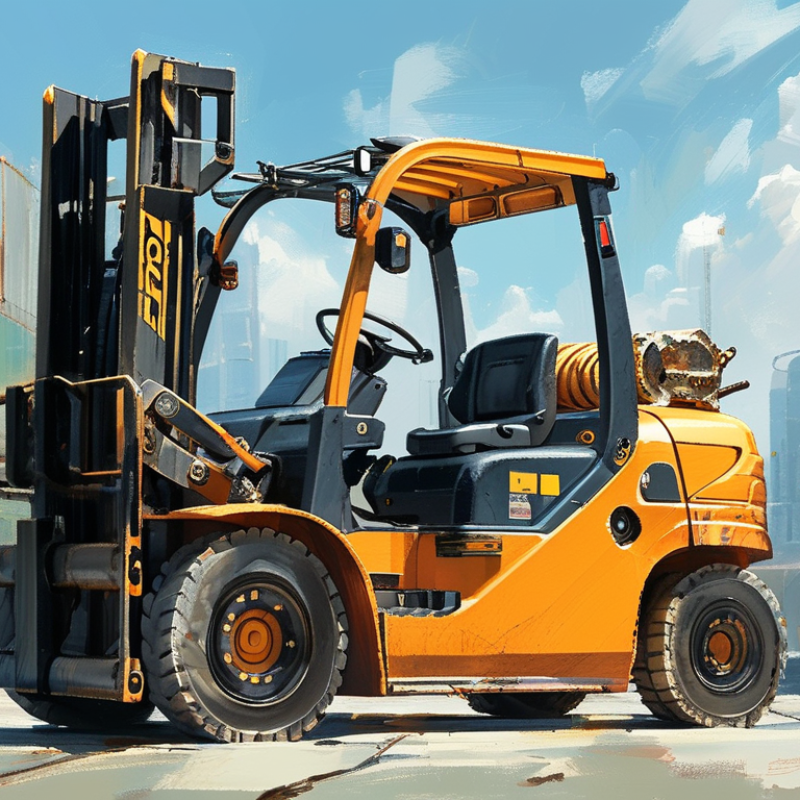
Telehandlers are powerful machinery, essential in construction and agriculture. Their operation requires strict adherence to safety regulations. These regulations are designed to prevent accidents and protect operators and workers. Without them, the risk of injury significantly increases.
In many incidents, operators overlook safety protocols. For example, not using seat belts or failing to conduct pre-operation checks can lead to serious consequences. When a telehandler tips over, the result can be devastating. Understanding the importance of these regulations is crucial for operators. They must be familiar with the manufacturer’s guidelines and local safety laws.
Training is also a vital component of safety. Operators need to be skilled in telehandler use. This includes knowing how to handle loads and understanding stability. Even experienced operators can benefit from regular training updates. Safety is not just a checkbox. It requires continual attention and commitment.
Telehandler operations can be risky. Statistics reveal that telehandler accidents are more common than many assume. Over the past few years, nearly 40% of telehandler incidents occurred due to safety violations. This demonstrates the urgent need for strict adherence to safety guidelines. Operators must recognize their responsibility in maintaining a safe work environment.
Inadequate training plays a significant role in these accidents. Reports indicate that about 25% of telehandler operators lack proper certification. This gap in training often leads to accidents that could have been avoided. Clearly, investing in safety training is not just a legal requirement; it’s a crucial step in protecting lives. Safety compliance ensures that operators understand both the machine and the hazards involved in their operation.
Furthermore, equipment maintenance is equally important. Many operators overlook routine inspections. Poorly maintained telehandlers can lead to malfunction and accidents. While it might seem like an extra task, regular checks can save lives. We should never underestimate the significance of safety requirements in telehandler operations. Building a safety-first culture isn’t just beneficial; it’s essential.
When operating a telehandler, safety should always be a top priority. Proper training is essential for operators. They must understand the machine's capabilities and limitations. Safety requirements include checking equipment before use and ensuring all safety features are functioning. Operators must be aware of their surroundings and potential hazards.
Tips for ensuring safety during telehandler usage include:
- Always wear appropriate personal protective equipment.
- Use spotters to guide operations in crowded areas.
- Ensure the load is secure before lifting to prevent accidents.
Regular maintenance checks are vital for telehandlers. Machines should be inspected daily. Look for leaks, loose parts, and tire conditions. Proper maintenance prevents unexpected breakdowns or safety risks. Even minor oversights can lead to significant issues.
Communication among team members impacts safety. Ensure everyone knows signals and procedures. Encourage reporting of near-misses or unsafe conditions. These discussions can lead to improved safety protocols. Ultimately, a culture of safety can save lives and reduce incidents.
Neglecting safety requirements in telehandler operation can lead to serious legal consequences. Operators must understand that failing to adhere to regulations doesn’t just put them at risk. It can also jeopardize others on the site. In the event of an accident, regulatory bodies will scrutinize safety protocols. Companies could face hefty fines, lawsuits, and even criminal charges if they are found non-compliant.
Many operators underestimate the importance of training and certifications. A lack of knowledge around safety practices can lead to tragic outcomes. Moreover, insurance claims may be denied if safety protocols were ignored. This creates a vicious cycle of financial loss and damaged reputations. It’s crucial to recognize that safety isn't just a checkbox—it’s a fundamental aspect of responsible operation.
Reflection on past incidents can reveal lessons learned. Each accident should serve as a reminder of the consequences of negligence. Operators and companies alike need to cultivate a safety-first mindset. Implementing thorough training sessions and regular safety checks can mitigate risks. In the end, remembering the real-life implications of ignoring these requirements is essential.
Telehandlers are powerful machines used in construction and agriculture. However, they can be dangerous without proper training. This is why safety requirements are essential, especially for operators. Professional certifications ensure that operators have the necessary skills.
Training programs often cover vehicle controls, load capacity, and environmental factors. Operators learn to inspect the equipment before use. They also understand how to navigate hazards on-site. This training reduces accidents and enhances workplace safety.
Tips:
Always perform a pre-operation check. Ensure the telehandler is in good condition. Stay updated with safety regulations. Join refresher courses regularly. Engage with experienced operators. Learning can be continuous, even for seasoned professionals.
Ignoring training can lead to critical errors. Operators may underestimate risks or overestimate their skills. Continuous evaluation is necessary to maintain safety standards.
| Training Requirement | Certification Type | Duration (Hours) | Frequency of Renewal (Years) | Key Safety Topics Covered |
|---|---|---|---|---|
| Telehandler Operation Basics | Basic Operator Certificate | 8 | 3 | Pre-operational Checks, Load Handling |
| Safety Protocols and Procedures | Advanced Operator License | 12 | 5 | Emergency Response, Accident Prevention |
| Hands-on Load Handling Techniques | Specialized Load Handling Certificate | 10 | 2 | Stability, Weight Distribution |
| Operator Health and Safety | Health and Safety Certificate | 6 | 4 | Fatigue Management, Ergonomics |
| Regulatory Compliance Training | Compliance Certificate | 5 | 3 | Local and National Regulations |
: Safety regulations prevent accidents and protect both operators and site workers. Their importance cannot be overstated.
Ignoring protocols like seat belts can lead to serious accidents, including fatalities. This is a significant risk.
Neglecting safety can lead to fines, lawsuits, and serious legal consequences for operators and companies alike.
Training ensures operators learn essential skills and safety practices. It's crucial for preventing accidents.
Regular training updates are necessary. Even seasoned operators can benefit from refresher courses to stay current.
Consequences include financial loss, denied insurance claims, and damage to reputations. Safety is not a minor issue.
Always perform a pre-operation check to ensure the machine is safe and operational. This step is vital.
Implement thorough training sessions and regular safety checks. Continuous education is key to maintaining safety standards.
Overconfidence can lead to critical mistakes. Continuous self-evaluation is necessary to mitigate risks effectively.
The article "Why Are Safety Requirements Crucial for Telehandler Operation?" emphasizes the fundamental role that safety regulations play in ensuring the safe and efficient operation of telehandlers. It highlights key statistics indicating the frequency of telehandler accidents, underscoring the importance of compliance with safety standards to prevent injuries and damages. Best practices for telehandler usage are discussed, which include conducting thorough pre-operation inspections and ensuring proper load management.
Additionally, the legal implications of neglecting safety requirements are explored, showcasing the potential consequences for operators and employers alike. A critical aspect of telehandler safety is also the training and certification of operators, as it equips them with the necessary skills and knowledge. Overall, the article addresses the essential question, "What are the safety requirements for operating a telehandler?" and reinforces the notion that adherence to these regulations is vital for minimizing risks in the workplace.

Plautz Excavator