Transporting heavy machinery across state lines poses unique challenges. Understanding the safest methods is crucial for success. Industry expert John Smith, a logistics manager, emphasizes, "Planning and precision are keys to transport." His insight highlights the importance of preparation in this field.
When considering how to transport heavy machinery across state lines safely, several factors come into play. Each state has different regulations. Ignoring them can lead to fines or delays. Choosing the right transport vehicle is equally important. A truck that fits your machinery's size ensures stability on the road.
Additionally, securing the machinery properly cannot be overlooked. This protects both the load and other road users. Many individuals underestimate the significance of correctly loading equipment. This step is vital for a successful transport experience. Always review routes for weight limits and road conditions beforehand. This foresight can prevent unexpected hurdles. Even small mistakes can lead to costly consequences. Transporting heavy machinery requires attention to detail and a proactive approach.
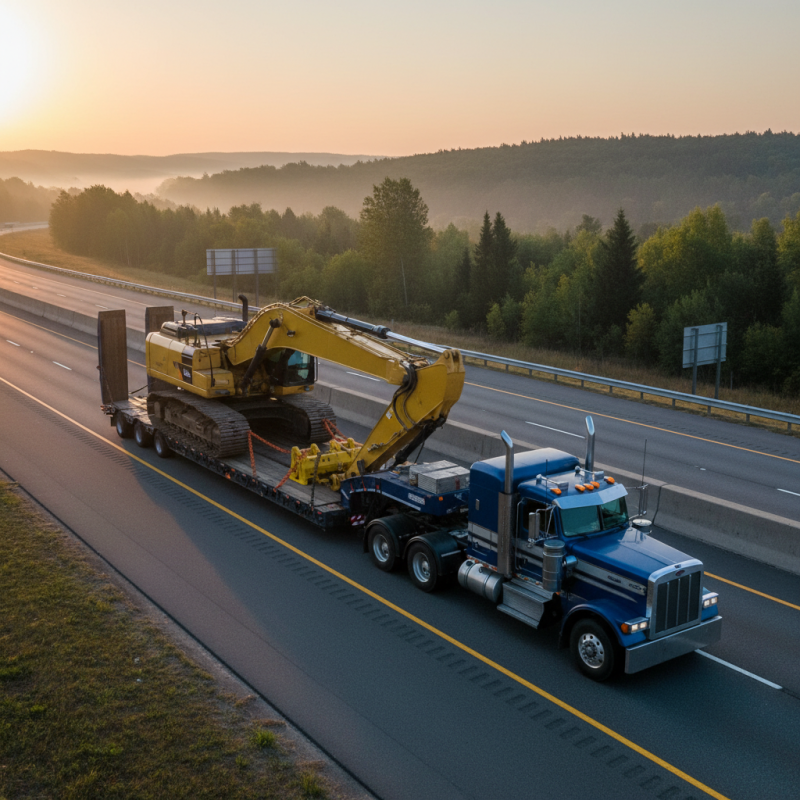
Understanding Regulations for Interstate Heavy Machinery Transport
When transporting heavy machinery across state lines, understanding regulations is crucial. Each state has its own set of rules regarding weight limits, permits, and safety standards. Researching these regulations before your trip can save you from fines or delays. For instance, some states require specific permits for oversized loads. Failing to obtain these can lead to costly repercussions.
Additionally, it's essential to ensure your transport vehicle is compliant with federal and state laws. Regular inspections are key. Machinery should be securely loaded and properly flagged, especially for long hauls. If you are not familiar with regulations, consider hiring a professional service. They have the expertise and knowledge to navigate the complexities of interstate transport. Keep communication open with drivers throughout the journey to address unexpected challenges.
However, not all transportation goes smoothly. Equipment can shift or cause issues. Being prepared for these scenarios is important. Always have a backup plan in case of delays. Understanding the regulations and having a clear plan can significantly enhance safety during such operations, minimizing the risk of accidents and ensuring equipment arrives intact.
Preparing Your Heavy Machinery for Safe Transportation
Transporting heavy machinery safely requires careful preparation before hitting the road. According to the American Transportation Research Institute, improper loading can lead to significant accidents, resulting in an estimated 95% of all transportation-related incidents. To mitigate risks, machines must be properly secured and balanced. Straps, chains, and blocks must be utilized to prevent shifting during transit. Proper weight distribution is also crucial, as overloading can result in hazardous driving conditions.
Inspecting the machinery prior to transport is vital. Detailed checks should include hydraulic fluids, belts, and cables. Spills can be hazardous, leading to significant fines or environmental damage. In a 2022 survey by the National Safety Council, 20% of equipment failures were linked to insufficient pre-travel inspections. Operators should document any pre-existing damage to avoid disputes later. Consider using a checklist tailored for each piece of machinery, ensuring no detail is overlooked. This practice fosters accountability and enhances safety during transportation.
Top 10 Tips for Safely Transporting Heavy Machinery Interstate
Selecting the Right Transport Vehicle and Equipment
Selecting the right transport vehicle and equipment is crucial when handling heavy machinery interstate. According to industry reports, over 70% of transport issues arise from choosing inappropriate vehicles. This highlights the importance of selecting a vehicle that matches the weight and dimensions of your machinery. For instance, flatbed trucks often provide versatility and ease of loading. However, they might not be suitable for certain oversized equipment.
When preparing for transport, consider using specialized equipment such as lowboy trailers. These trailers enhance stability and ensure safer maneuverability. In fact, studies indicate that using the correct trailer can reduce the risk of damage by up to 30%. Always ensure that the vehicle’s capacity exceeds the machine's weight to prevent any potential accidents during transit.
Reflect on the condition and capabilities of your equipment. Regular inspections and maintenance can prevent breakdowns. Don't overlook this. Properly securing loads is equally important. Loose machinery can shift, affecting balance and safety. Implementing safety measures like tie-downs and straps is essential. Even with the best equipment, human oversight can lead to costly mistakes. Constant vigilance is vital for a successful transport experience.
Top 10 Tips for Safely Transporting Heavy Machinery Interstate
| Tip Number |
Tip |
Details |
Importance |
| 1 |
Choose the Right Vehicle |
Select a trailer with appropriate weight capacity and dimensions for the machinery. |
High |
| 2 |
Inspect Equipment |
Ensure machinery is in good condition and ready for transport. |
High |
| 3 |
Secure Loads Properly |
Use chains, straps, or special equipment to prevent movement during transit. |
Critical |
| 4 |
Plan Your Route |
Identify restrictions such as low bridges or weight limits on your route. |
High |
| 5 |
Check Compliance |
Ensure compliance with state and federal transport regulations. |
High |
| 6 |
Use a Professional Transport Service |
Consider hiring experts who specialize in heavy haul transportation. |
Medium |
| 7 |
Maintain Communication |
Keep in contact with truck drivers throughout the journey to handle unexpected issues. |
Medium |
| 8 |
Utilize GPS Tracking |
Track the location and status of machinery during transport for safety. |
Medium |
| 9 |
Conduct a Pre-Trip Inspection |
Inspect the vehicle and load before departure for safety assurance. |
High |
| 10 |
Have an Emergency Plan |
Prepare for potential breakdowns or accidents with a clear response strategy. |
Critical |
Ensuring Proper Load Securing Techniques
Transporting heavy machinery across state lines requires meticulous planning and proper securing techniques. The right equipment can make a significant difference in ensuring safety. Using heavy-duty straps, chains, and binders is essential. These tools help secure the load firmly to the trailer. It's crucial to check the load's stability frequently during transit. A sudden shift can lead to disaster.
Proper weight distribution is vital. Concentrating the load too far forward or backward can affect trailer control. Adjusting the machinery's position may be necessary to achieve balance. When in doubt, consult with a professional experienced in heavy transport. Their insights can help avoid common mistakes.
Visualization plays a key role in safety. Before loading, visualize how the machinery will sit on the trailer. This mental image can guide you as you arrange the load. Inspect all securing methods after loading. Regular checks can prevent accidents. Sometimes, you might find that your initial plan isn’t optimal. Don't hesitate to make adjustments to enhance safety.
Planning the Route and Timing for Transport Efficiency
When transporting heavy machinery across states, route planning is crucial. Begin by researching the best routes for your journey. Consider highways that accommodate large vehicles. Check if there are any construction zones or detours that might slow you down. Avoid routes with sharp turns or low overpasses to minimize risks.
Timing is also essential for transport efficiency. Aim to travel during off-peak hours. This will help you avoid heavy traffic. Early mornings or late evenings are often ideal times for transportation. Additionally, weather can impact your schedule. Make sure to check forecasts and adjust plans accordingly. Rain or snow can create hazardous conditions.
Remember to allow for rest breaks, especially on long hauls. Fatigue can lead to mistakes. Having checkpoints along the way can make your transport safer and more efficient. Ensure your drivers are well-rested before the journey begins. This can prevent accidents and delays. Reflect on past experiences to improve future transport plans. Each journey is a lesson learned.
Conclusion
When considering how to transport heavy machinery across state lines safely, it's essential to understand the specific regulations governing interstate transport. This ensures compliance and helps avoid potential legal issues during transit. Preparing your heavy machinery adequately by securing all loose parts and ensuring everything is in working order is crucial for safe transportation.
Choosing the right transport vehicle and equipment tailored to the weight and dimensions of your machinery is also vital. Additionally, employing proper load securing techniques will help prevent accidents and equipment damage. Finally, planning your route and timing can enhance transport efficiency, minimizing delays and ensuring a smooth journey. By following these ten tips, transporting heavy machinery across state lines can be carried out safely and effectively.

 Plautz Excavator