China Best Loader Why Is My Joystick Unresponsive?

Time:2026-10-29 Author:Ethan
0%

A loader joystick may stop responding without warning. The machine sits idle, the bucket hangs in place, and a small warning light may be easy to miss. Why is the joystick on my loader unresponsive? The cause could be electrical, hydraulic, or mechanical. A loose connector, damaged wiring, low pilot pressure, or a failed control sensor can produce similar symptoms. That overlap makes careful diagnosis important.

The Siemens 2024 True Cost of Downtime report estimated that downtime costs the world’s 500 largest companies about $1.4 trillion annually, or roughly 11% of their revenue. This is a cross-industry estimate, not a loader-specific figure, but it shows why prompt, evidence-based troubleshooting matters. Start with safe, basic checks: park on level ground, lower the attachment, inspect visible wiring and connectors, and note any fault codes. Then consult the loader’s service manual or a qualified technician before testing hydraulic or electrical circuits. Small clues matter. A joystick that works intermittently may point to a different issue than one that has no response at all. In my experience, rushed part replacement can waste time; still, a simple inspection cannot confirm every fault. China Best Loader owners should record when the problem began, what functions are affected, and whether warning lights appear. Those details help narrow the diagnosis without guessing.
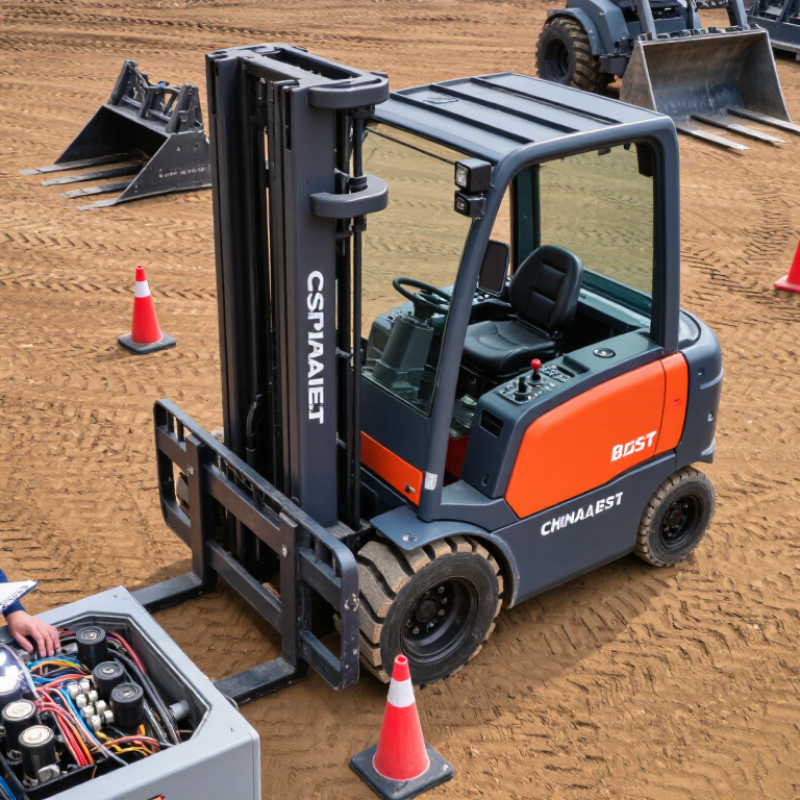
China Best Loader Why Is My Joystick Unresponsive?

How a Loader Joystick Controls Machine Functions

A loader joystick turns an operator’s hand movement into commands for the machine. Push the control forward, and the lift arms may lower; pull it back, and they may rise. Moving it sideways can tilt the bucket to dump or roll material back. Exact directions vary by machine.

Many loaders use hydraulic pilot pressure or electronic sensors to carry these commands. In an electronic system, sensors read joystick position and send signals to a controller. The controller then operates valves that direct hydraulic oil to cylinders. A few millimetres of movement can change how quickly the arms respond. Auxiliary buttons or rollers may control attachments, such as a grapple, if the loader is equipped for them.

When a joystick feels unresponsive, the cause may sit beyond the control itself. A safety lockout, low hydraulic pressure, damaged wiring, or a faulty sensor can interrupt the command. Check whether the display shows a lockout, and note if the problem affects one function or every function. That detail matters. A single weak function may point toward a valve or hydraulic circuit, while several dead functions suggest a shared electrical or safety issue. Don’t force the lever; it can mask what the machine is telling you. The layout is not always intuitive, either. Consult the machine’s manual before testing unfamiliar controls.

China Best Loader: Why Is My Joystick Unresponsive?

How a loader joystick controls lift and tilt functions

A joystick typically sends an electrical command to the machine controller, which operates electrohydraulic valves for lift and tilt. The chart shows normalized command directions, not measured machine data; control layouts vary by loader. If the joystick is unresponsive, check for power, wiring or connector faults, controller alerts, and hydraulic issues using the machine’s service guidance.

Common Reasons a Loader Joystick Becomes Unresponsive

A loader joystick may stop responding because the fault is not in the joystick itself. A loose connector, damaged wire, or weak battery can interrupt the control signal. Moisture, dust, and corrosion around electrical contacts may also cause intermittent operation. It can feel sudden. Yet the warning signs may have been building for days.

Check simple conditions before assuming a major failure. Confirm the machine is in the correct operating mode and that any safety lockout is released. A faulty seat switch or hydraulic interlock can prevent movement, even when the joystick feels normal. Low hydraulic fluid or a blocked filter may slow the loader, though these problems usually affect overall performance rather than one control alone. Don’t force the lever. Park the machine safely, lower the attachment, and consult the operator’s manual. A technician can test wiring, sensors, and control signals with suitable equipment. It is easy to blame the joystick too quickly. Note when the problem occurs, such as after rain or when the machine is cold; those details can help identify the cause. If the response is erratic, stop operating until it has been checked.

Step-by-Step Checks for Power, Wiring, and Control Settings

China Best Loader: Why Is My Joystick Unresponsive?

A silent joystick may point to lost power, a loose connection, or a control setting—not a failed controller. Park the loader on level ground, lower the attachment, engage the parking brake, and follow the operator’s manual before inspecting anything. Start with the basics. Check the display, warning lights, and relevant fuses; never replace a fuse with a higher-rated one.

The U.S. Bureau of Labor Statistics recorded 5,283 fatal work injuries across all industries in 2023, in its Census of Fatal Occupational Injuries. That figure is not specific to loader faults, but it reinforces why safe shutdown matters.

With the machine powered down as directed, inspect accessible joystick wiring for crushed insulation, corrosion, or connectors that have worked loose. A clean-looking plug can still hide a backed-out pin. Do not guess. Avoid pulling wires or probing live circuits unless the service procedure and your training permit it. Restore power only as the manual specifies, then check whether the joystick responds in each direction.

If power and connectors look sound, review control settings and interlocks. A travel or attachment mode, seat switch, or implement lockout may limit joystick response. Record any fault code before cycling the ignition; it can disappear. If the control remains unresponsive, stop testing and ask a qualified technician to check signal voltage and controller diagnostics. A repeated reset may mask the clue you need.

How to Diagnose Hydraulic and Joystick Component Faults

A loader joystick that feels loose, stiff, or inactive can point to a control fault or a hydraulic problem. Park the machine on level ground, lower the attachment, and follow the service manual before inspecting components. Shut down the engine and relieve stored hydraulic pressure as directed. Check for damaged wiring, loose connectors, bent linkage, or debris around the joystick base. A corroded plug may interrupt an electrical signal, while worn pivots can make the lever bind. Small clues matter.

If the joystick moves freely but the attachment responds slowly, inspect hydraulic oil level and condition, then look for leaks near hoses, fittings, and control valves. Milky oil or a burnt smell needs prompt attention. On pilot-controlled systems, a blocked line or weak pilot pressure can prevent valve movement; on electrohydraulic systems, a faulty sensor or solenoid may cause similar symptoms. Use the machine’s diagnostic procedure and suitable pressure gauges rather than guessing. Compare readings with the service specifications. This distinction is easy to miss. A pressure test can also mislead if the oil is cold or the engine speed is incorrect, so record conditions and repeat the check consistently. Stop testing if a leak worsens or controls behave unpredictably.

China Best Loader Why Is My Joystick Unresponsive? - How to Diagnose Hydraulic and Joystick Component Faults

Observed Symptom Likely Area to Check Diagnostic Check Possible Finding Recommended Next Step Safety Consideration
All joystick functions are unresponsive Electrical supply, fuse, connector, or control power Check the machine display for warnings; inspect the relevant fuse and connector; verify supply voltage using the service information for the machine. Blown fuse, loose or corroded connection, or missing control power. Repair the connection or replace a fuse only after identifying why it failed. Use the wiring diagram to trace the circuit. Lower attachments, secure the machine, and switch off power before disconnecting electrical components.
Joystick moves freely but the attachment does not respond Joystick sensor, wiring, controller input, or hydraulic enable circuit Check for fault codes and confirm whether the controller recognizes joystick movement using the approved diagnostic procedure. Signal is absent, intermittent, or outside the specified range; an enable condition may also be unmet. Inspect wiring and connectors, then test the sensor and controller circuit against the machine specifications. Keep clear of moving equipment and do not bypass safety interlocks.
One direction or one function does not work Individual joystick axis, pilot line, solenoid, spool, or work circuit Compare the affected function with other joystick functions. Check the relevant electrical command and hydraulic response according to the service manual. Localized sensor or wiring fault, blocked pilot passage, faulty solenoid, or sticking valve spool. Trace the fault from joystick command to valve response; clean, repair, or replace components only after confirming the cause. Relieve hydraulic pressure before opening a line. Never search for leaks with bare hands.
Controls respond slowly or intermittently Hydraulic oil condition, filter restriction, air ingress, low supply, or poor electrical connection Check the oil level and condition using the specified procedure; inspect for leaks and warning indicators; examine connectors for looseness or corrosion. Low or contaminated oil, restricted filter, air in the system, unstable supply, or intermittent signal. Correct the oil level with the specified fluid, address leaks, and service filters according to the maintenance schedule. Retest after repairs. Check oil only under the conditions specified by the manufacturer; hot oil and pressurized fluid can cause serious injury.
Joystick feels unusually stiff, loose, or does not return smoothly Joystick pivot, linkage, boot, return mechanism, or mechanical obstruction With the machine secured and controls isolated, inspect the lever for damage, binding, debris, or abnormal free play. Worn pivot parts, damaged return mechanism, obstruction, or a bent or misaligned linkage. Remove obstructions and inspect mechanical parts. Replace damaged components and verify smooth operation before returning to work. Do not reach into pinch points while the machine is running or attachments are raised.
Joystick fault appears after starting or during operation Interlock, seat or presence switch, controller communication, or voltage supply Review warning messages and fault codes; confirm interlock conditions and check system voltage and connectors using approved procedures. An unmet safety condition, low or unstable voltage, communication fault, or a failing switch. Resolve the indicated condition and diagnose stored codes before replacing parts. Seek qualified service if the fault persists. Never defeat an interlock to keep the machine operating.
Hydraulic functions are weak as well as unresponsive Pump supply, relief valve, hydraulic filter, oil level, or internal leakage Check basic fluid and filter condition, then have pressure and flow tested at the specified test points with the correct equipment. Insufficient pump output, relief valve issue, restriction, or excessive internal leakage. Use measured pressure and flow results to guide further diagnosis; hydraulic system testing should be performed by a trained technician. Hydraulic injection injuries require immediate medical attention. Do not loosen fittings to test for pressure.

Diagnostic note: Symptoms can have electrical, mechanical, hydraulic, or interlock-related causes. Check the machine’s service documentation and fault codes before adjusting settings or replacing components.

When to Repair or Replace the Joystick System

A loader joystick may work normally in the morning, then hesitate after a wet, dusty shift. Before replacing it, note whether the fault affects one direction or every function. Check for loose connectors, damaged cable insulation, moisture, and error codes. A qualified technician can compare the joystick’s electrical signal with the service specifications. If the signal is intermittent and the housing or wiring is damaged, repair may be enough. If the sensor output remains outside specification after wiring checks, replacement is often the more reliable choice.

The U.S. Department of Energy’s Operations & Maintenance Best Practices guide reports that predictive maintenance can cost 8–12% less than preventive maintenance and 30–40% less than reactive maintenance. Those figures cover broader industrial operations, not loader joysticks, but they support diagnosing early rather than waiting for a breakdown. Record fault codes, operating hours, and symptoms before authorizing work. A simple log helps reveal repeat failures, though it will not identify every cause.

Tips: Park safely and follow the machine’s service procedure before inspection. Don’t force a stiff lever. Ask the technician to document signal readings and explain whether the fault lies in the joystick, harness, or controller. A second opinion can be worthwhile when replacement is recommended without test results.

FAQS

What should I check first when the joystick stops responding?

Park on level ground, lower the attachment, engage the brake, and follow the operator’s manual. Check the operating mode and safety lockout. Start simple.

Can the joystick feel normal but still be blocked?

Yes. A seat switch, hydraulic interlock, or implement lockout may prevent movement. These faults are easy to overlook.

What electrical issues can interrupt joystick control?

Loose connectors, damaged wires, corrosion, moisture, dust, or a weak battery can disrupt the signal. A clean-looking plug may hide a backed-out pin.

Should I force a stiff or unresponsive lever?

No. Don’t force it or probe live circuits without the required training and service procedure. Stop if its response is erratic.

How can I check power and wiring safely?

With the machine powered down as directed, check displays, warning lights, and relevant fuses. Never install a higher-rated fuse. Ask a technician to inspect wiring you cannot safely reach.

What details should I record before requesting repairs?

Note fault codes before cycling the ignition, along with operating hours and symptoms. Record whether the problem follows rain or cold weather. That may show a pattern, not prove the cause.

Could low hydraulic fluid make the joystick seem unresponsive?

Low fluid or a blocked filter may slow the loader overall. These issues usually affect general performance, not just one control.

When should the joystick be repaired or replaced?

Damaged wiring or connectors may only need repair. If the sensor signal remains outside service specifications after wiring checks, replacement may be more reliable. Ask for test readings.

When should I call a qualified technician?

Stop operating if basic checks do not restore control or the response remains intermittent. Repeated resets may hide useful fault codes. I might have blamed the joystick too quickly.

Conclusion

A loader joystick translates operator input into commands that control functions such as lifting, lowering, tilting, and auxiliary attachments. If it stops responding, the cause may be as simple as an incorrect control setting or loss of electrical power, or it may involve damaged wiring, a faulty switch, a failed joystick sensor, or a problem in the hydraulic control system. Asking “Why is the joystick on my loader unresponsive?” is the first step toward narrowing down the issue safely and methodically.

Begin by checking the machine’s power supply, fuses, connectors, visible wiring, and control settings, following the equipment manual and safety procedures. If these checks do not resolve the problem, a technician can test joystick signals and inspect hydraulic components for faults. Repair may be appropriate when the problem is limited to a replaceable connection or component; replacement may be more practical if the joystick assembly is extensively damaged or unreliable. Always stop operating the loader if its controls behave unpredictably.

Ethan

Ethan

Ethan is a seasoned marketing professional with a deep expertise in our company's innovative product line. With a passion for sharing knowledge and insights, he takes the lead in regularly updating our corporate blog, where he explores industry trends, product features, and effective marketing......